
Published: 2025-09-10
Choosing Charcoal for Yakiniku
The source compares heat output, burn duration, and ignition behavior for restaurant grilling.
4 min
Overview
The source article frames charcoal as part of the cooking setup: fuel choice affects heat, service rhythm, and the result on the grill. It says gas cooking can add moisture, while charcoal heat can help brown the surface and preserve the ingredients’ original flavor. The post recommends choosing according to the restaurant’s menu, cooking style, and budget.
Three characteristics are highlighted for yakiniku. First, high heat can brown thin cuts quickly while keeping the inside tender. Second, a longer burn reduces the need to replenish fuel during service. Third, charcoal that does not catch fire too readily can help diners cook without flare-ups and burnt odors.
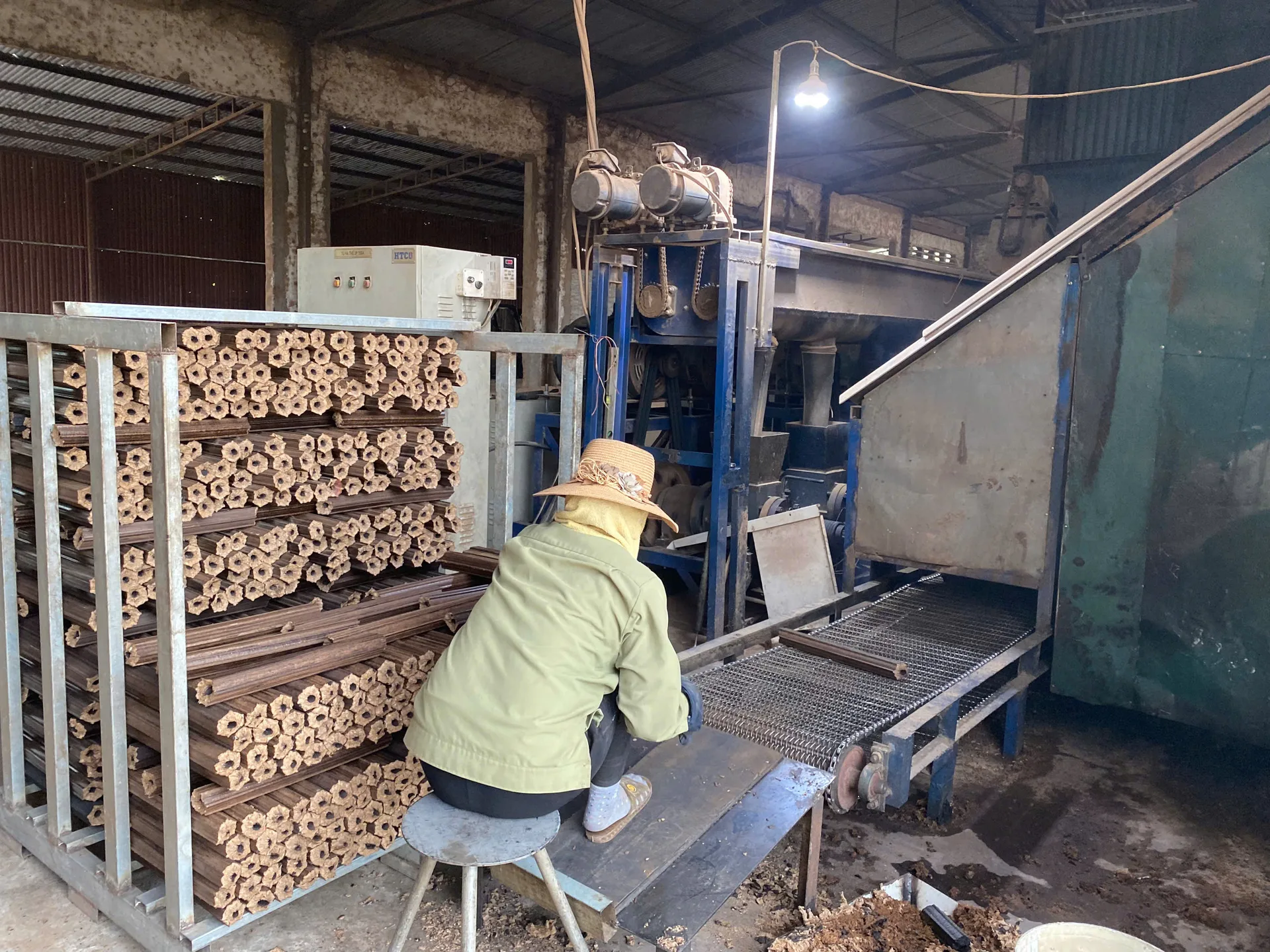
The article cautions that low heat, high ash, smoke, or unpleasant odor can reduce cooking quality and efficiency. It presents Binchotan as a higher-cost option for stable heat and sawdust charcoal as a more affordable alternative, while noting that quality varies. These are the source article’s recommendations; buyers should test samples against their own grill and service conditions.
Key takeaways
- Compare heat, burn duration, and ignition behavior
- Consider service efficiency and menu
- Test samples on the intended grill