
Published: 2025-09-10
Binchotan, Black Charcoal, and Ogatan: Key Differences
How the source distinguishes white charcoal, traditional black charcoal, and high-temperature sawdust briquettes.
5 min
Overview
The article distinguishes white charcoal (shirozumi) from black charcoal (kurozumi) by the final stage of production. For white charcoal, the kiln is opened near the end of carbonization to raise the temperature and refine the charcoal. The glowing pieces are removed and extinguished under a mixture of sand and ash, leaving a pale surface and a hard product.
The source explains that Binchotan, in its strict historical sense, is white charcoal made from Ubamegashi oak. In wider commercial use, the term is also used for hard white charcoal made from local hardwoods in places without Ubamegashi, including products described as Lao or Indonesian Binchotan.
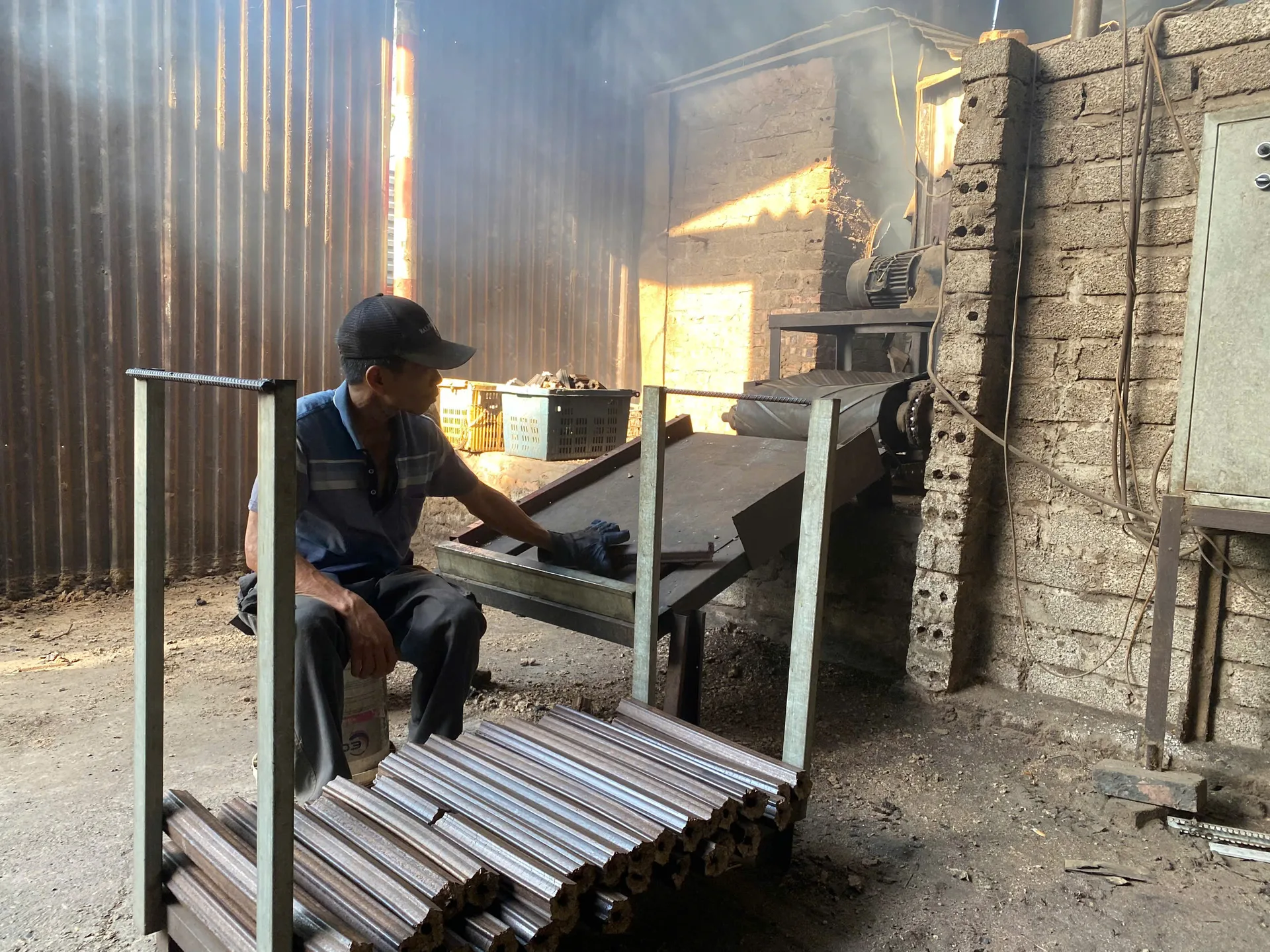
Black charcoal is made by closing the kiln at the end of carbonization and limiting oxygen. The source describes it as lighter and easier to ignite, with a shorter burn than Binchotan. Ogatan is made by pressing sawdust and carbonizing it at high temperature; it can share some hardness and long-burning traits with white charcoal, but its raw material and production method differ.
The practical choice depends on heat, burn time, flavor, price, and the food being cooked. The article recommends comparing those characteristics instead of relying on a product name alone.
Key takeaways
- White vs black charcoal is defined by the kiln’s final stage
- Binchotan has a strict wood-specific meaning and a broader commercial use
- Ogatan is pressed sawdust charcoal; compare by application